
3D Environment Design

Spaces that feel built, not placed

Workshops at Urendamax focus on the craft of building game worlds that read as real — from terrain blockout to final lighting pass. Practical sessions, real engine work, no filler.

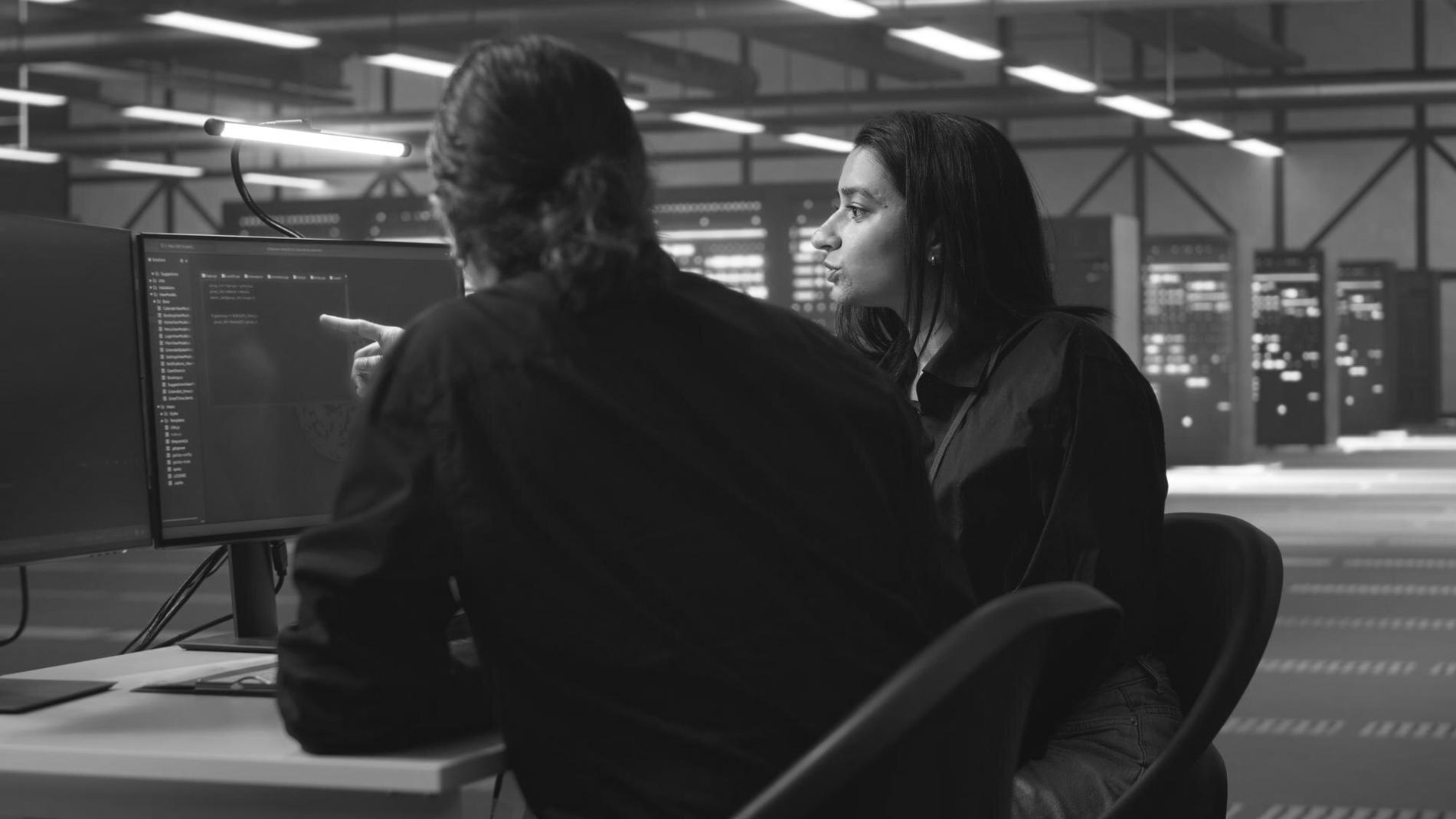
3D game environment created by a Urendamax workshop participant
Participants completed
154+
Across remote cohorts since 2015 — each one finishing with a portfolio-ready scene.
Who delivers this

Instructors who still ship work

1
Torben Haak, lead environment artist and workshop instructor
Torben Haak
Lead Environment Artist

Torben has spent nine years building outdoor biomes and interior sets for mid-sized studios. His sessions focus on scene readability — how a player reads depth and direction before a single UI element appears.


2
Nadia Ferber, technical artist and lighting specialist
Nadia Ferber
Technical Artist — Lighting

Nadia works across Unreal and Unity pipelines and has a specific interest in real-time GI. She covers the gap between "looks good in a screenshot" and "holds up during gameplay at 60fps."

Around the learner

The group you work alongside shapes what you learn

Each cohort is kept small — under 20 participants. That means feedback comes from people doing the same work, not from a faceless forum thread.

Peer critique sessions

Scheduled mid-module reviews where you present your scene and get structured feedback from peers and instructors — not just a grade.

Private cohort channel

Participants share WIP shots, ask questions, and post breakdowns throughout the programme. Activity continues between live sessions.

Industry context built in

Instructors bring in real briefs and reference from shipped titles. Discussions connect your scene decisions to how studios actually evaluate work.

Scale

What the numbers show

These figures reflect what participants have put in and what they have produced — not projections. The work is tangible and the numbers are specific for a reason.

154+
Participants across all cohorts
4.6
Average rating from post-workshop surveys
8
Weeks per full programme cycle
19
Max participants per cohort — by design
Who this is for

A specific kind of participant

The workshop works well for people who already have some 3D software experience and want to understand how professional environment pipelines actually function — not just which buttons to press.

You can navigate Blender, Maya or a similar tool without tutorials for basic tasks
You want to build scenes for Unreal Engine or Unity and understand the asset pipeline
You can commit 8–12 hours per week across the programme duration
You have never opened a 3D application — this is not a software introduction course
You are looking for passive video content you can consume at your own pace without deadlines
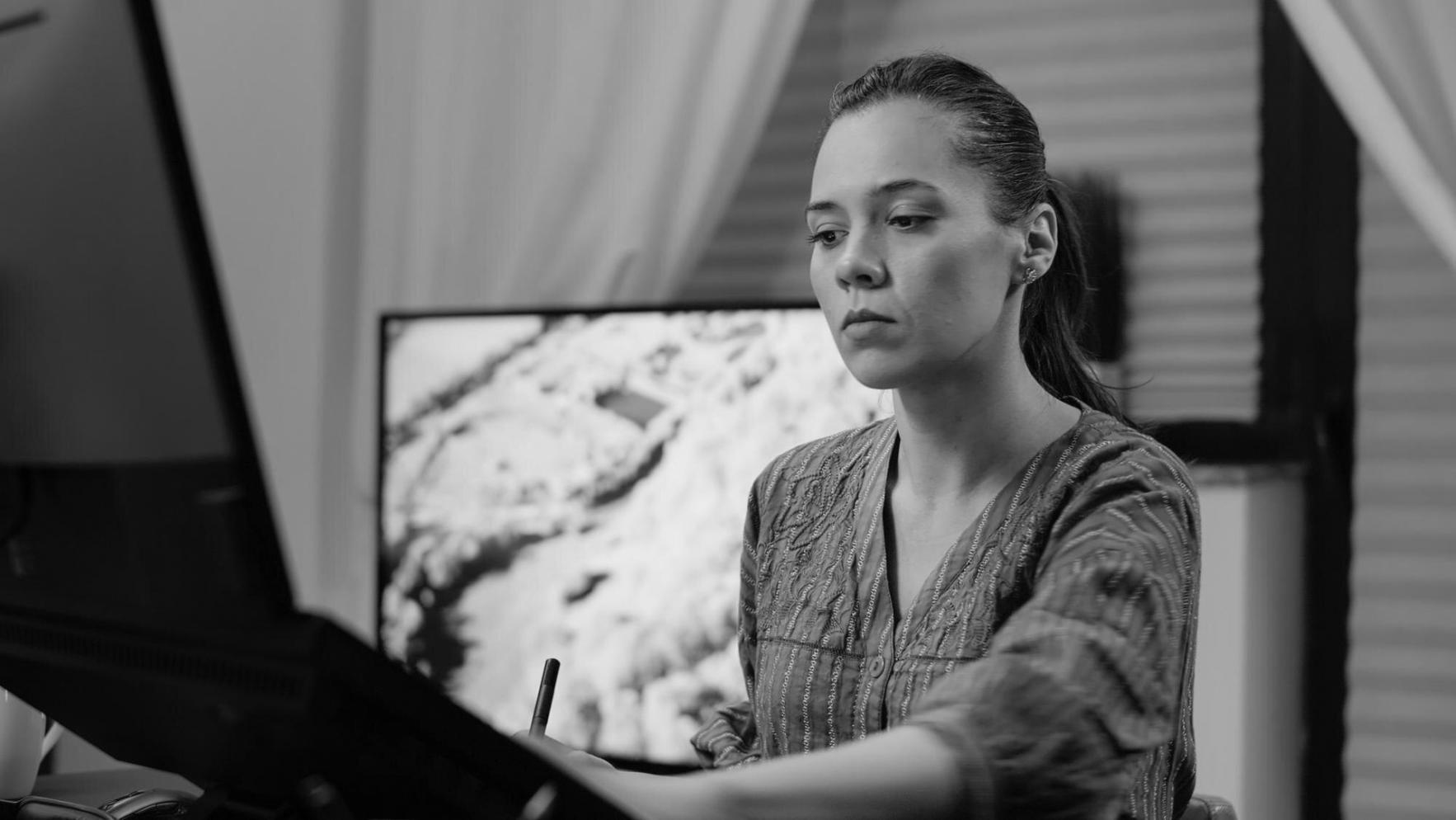
Participant working on a 3D game environment scene during a Urendamax workshop
Active sessions with structured assignments and peer review
What it involves

Time and cost, plainly

The programme runs over 8 weeks with live sessions twice per week. Pricing reflects the small cohort format — instruction is direct, not automated.

Single module access
One focused topic — scene composition, lighting, or engine integration. Includes all session recordings and assignment materials.
R 1 850
per module

Cohort dates and availability are listed on the programme page. Places are limited and fill before each cycle starts.